From January 26, the exhibition “Naturalistic Depiction of Animals” will be presented in the lobby of the Tallinn Zoo Nature Education Center (Ehitajate tee 150).
The exhibition is dedicated to showcasing the legacy of artist Sándor Martin Stern, who focused on the depiction of animals and was a long-time tutor of the Art Group. The exhibition includes works by his student, the artist and illustrator Kadri Roosi. The current tutor of the Tallinn Zoo’s Animal Art Classes, Margot Kask, has also studied under Stern.
The authors of the exhibition are young people and adults gathered at Tallinn Zoo’s Art Group: Aleksandra Pahhomova, Arina Tomiste, Augusta Jefimova, Daria Shiaulienie, Ekaterina Liamina, Elli Vaadevits, Georg Müller-Mölder, Hanna-Maria Tammissaar, Henri Kristjan Kloch, Ivan Kožemjakin, Ivanna Shiaulitie, Kadri Mae, Kadri Roosi, Karbik, Katja Kulik, Kaur Soome, Küllike Rikko, Liisa Aedma, Merle Kuris, Nickol Frolov, Oskar Eelma and Ragne Seilenthal. The youngest participant is 11 years old.
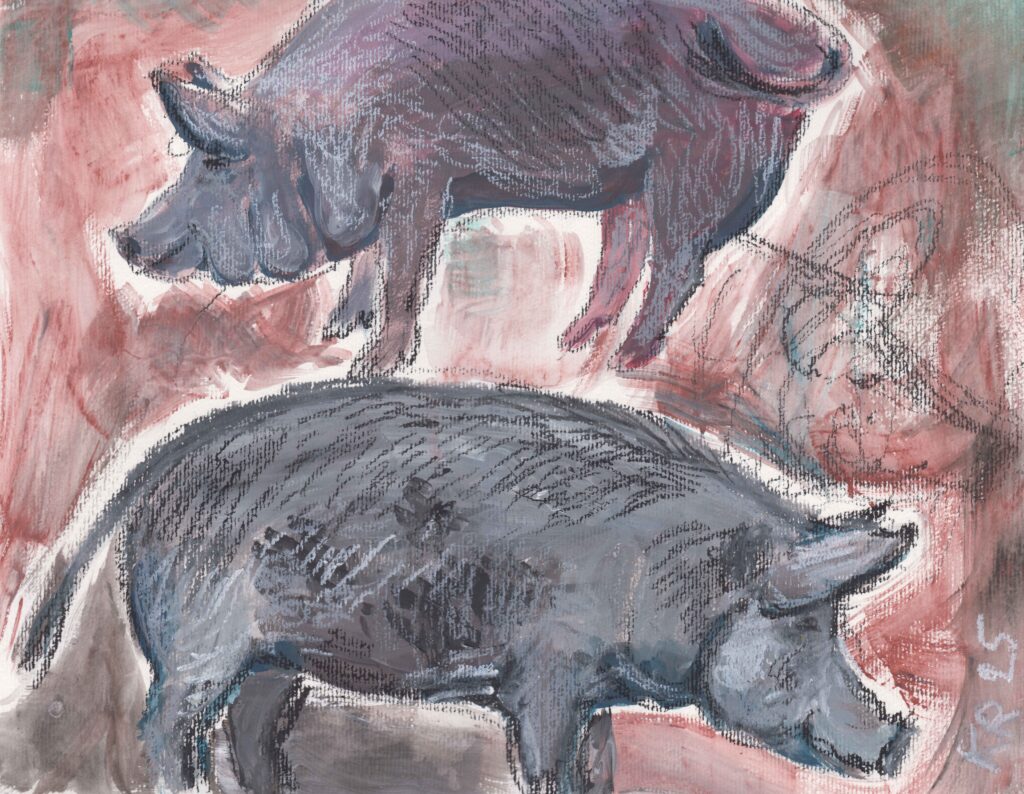
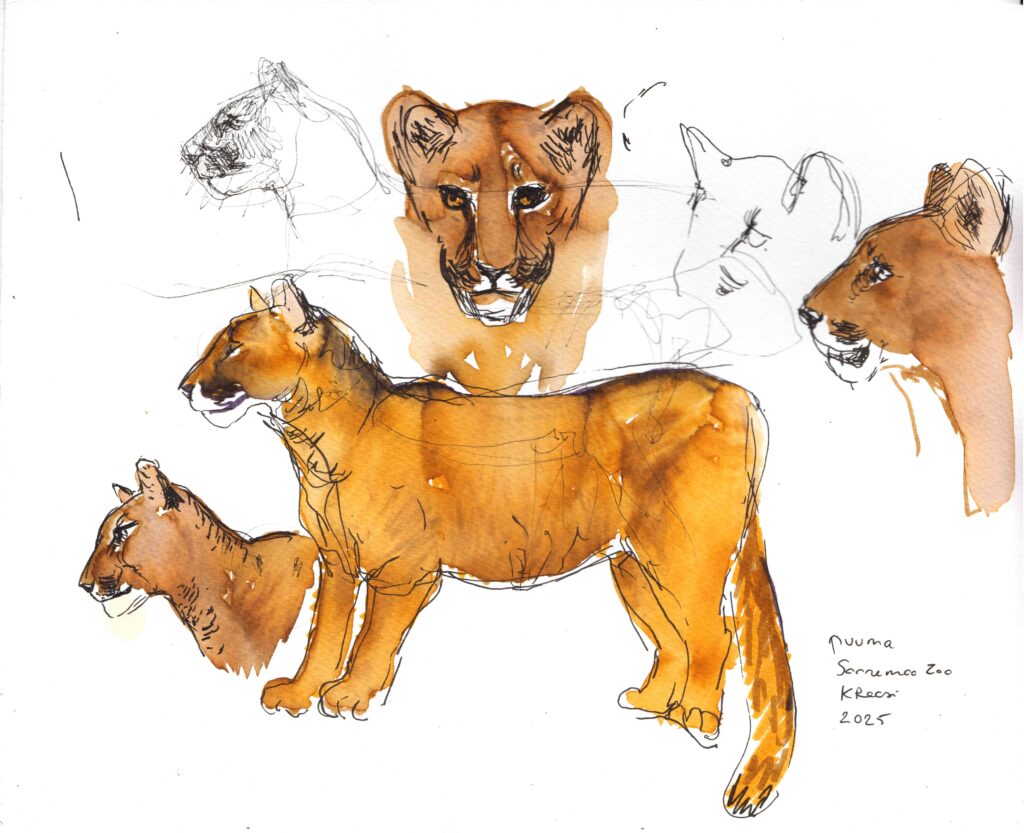
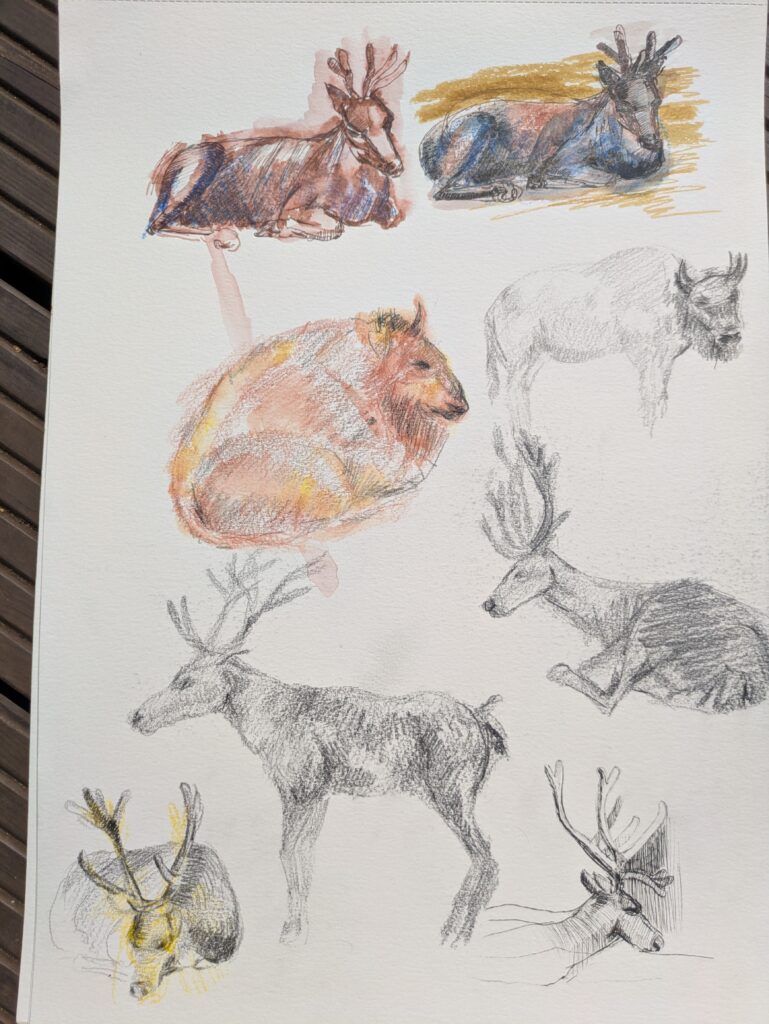
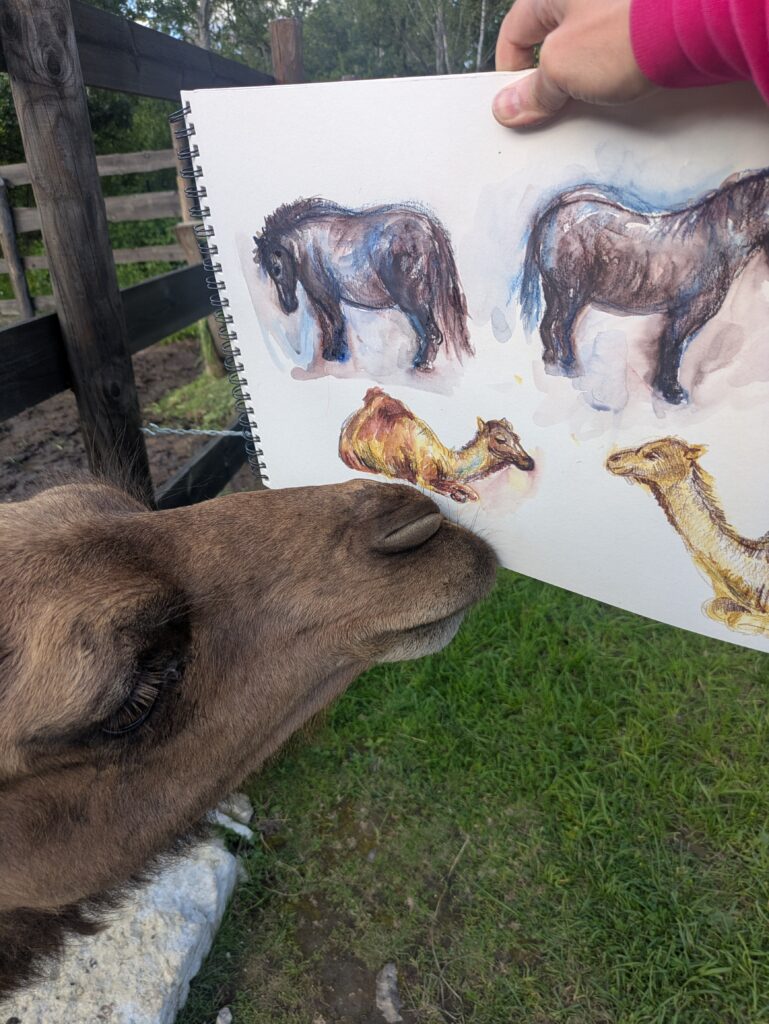
The exhibition includes graphite, pencil and pastel drawings as well as watercolour paintings completed over the past year and a half, starting from August 2024. You may recognise inhabitants of Tallinn, Saaremaa, Helsinki and Riga zoos in the pieces. The viewers might probably recognize at first birds and animals with distinctive shapes represented, as well as larger and calmer species that are easier to distinguish and allow themselves to be observed for longer, such as the giraffe, camel, elephant, rhinoceros and bison, alongside species that the artists have had the opportunity to study closely: the king python, the Central Asian tortoise and several dog breeds.
Under Stern’s guidance, the classes were held in close proximity of the live birds and animals used as models. Most sketching was done sitting on folding chairs, with a drawing board on the artist’s lap. Occasionally, animal skulls were examined in the hall of the zoo’s office. Observation of live models is now alternated with studio work, allowing for a slightly wider variety of techniques and in addition to fast sketching, also more time-consuming approaches. . Getting to know the models directly and in the flesh has become less common, but camera-based recording tools allow time and space to be transcended in other ways. What can be captured through the camera lens and what can be gathered from the imagery depends largely on the knowledge and skills developed beforehand.
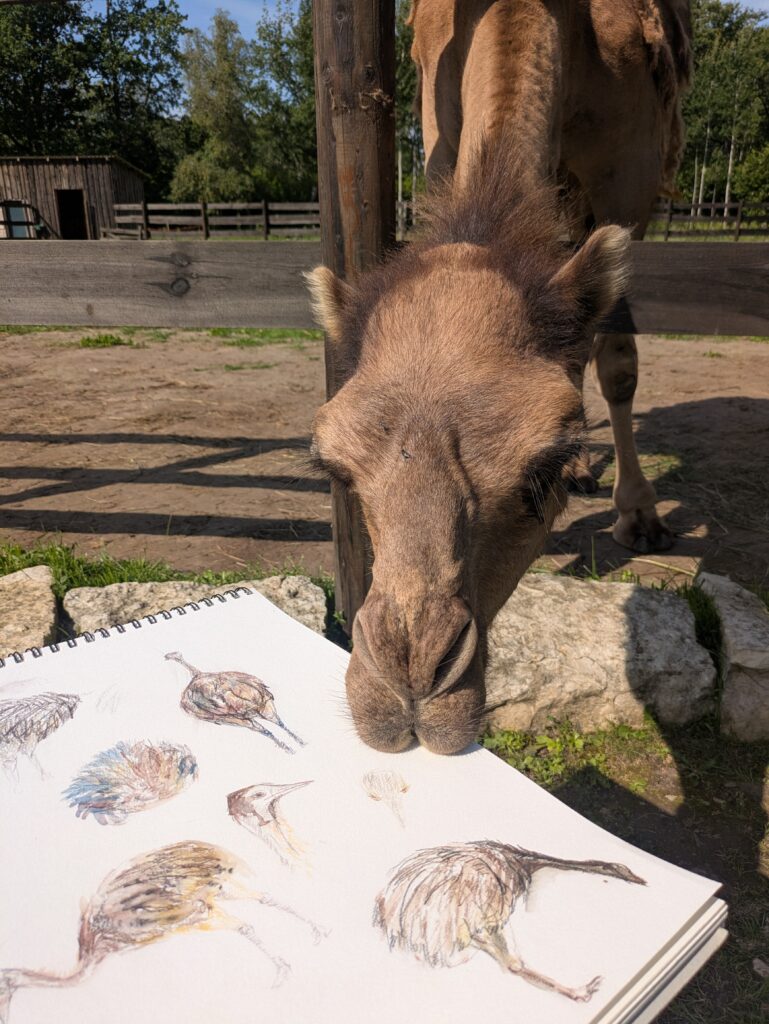
While works of art are mostly carriers of the artist’s interpretation and expression, and the documentary aspects, depending on the subject matter and the author’s preferences, can be sparse at times, animal art, as a subgenre of visual art, relies mostly on the study of nature. Nevertheless, in this joint exhibition, one may notice various positions on axes of seriousness and humour, authenticity and idealisation, randomness and order. The sketch-like and unfinished qualities of the works, which may suggest imperfection, stem from the limited duration of real-life encounters and the author’s decision not to alter their documentary notes afterwards.
Thank you to our loved ones and zoo staff for your cooperation, support and help!
A special thank you to everyone who brought in their pets for us to see, hear, and smell, or have allowed us to get close to their animals!
Exhibition organising committee: Aare Toomist, Arina Tomiste, Aleksandra Pahhomova, Daria Shiaulienie, Kadri Roosi, Karbik, Kirill Toomist, Margot Kask, Merle Kuris, and Villem Laimre.